

Insulation Services
Attic Insulation Services in the GTA
Overview
About Attic Insulation
An adequately insulated attic is an important part of a comfortable and energy-efficient home. KHG Insulation Services provides attic insulation installations and upgrades suited to the building’s existing conditions and project requirements. Most attic work is blown-in fiberglass or cellulose, added over existing material or installed after old insulation is removed.
In winter, heat moves up through the ceiling and into the attic; in summer, a hot roof deck pushes heat back down into upper rooms. An even, continuous layer of insulation slows that heat transfer. Gaps, thin spots near the eaves and settled older material are common in GTA homes and are usually what an attic insulation upgrade in Brampton or Toronto corrects.
Insulation works best when the ceiling below is reasonably airtight and the attic stays ventilated. Before adding material, we look at access, air leakage points such as top plates and penetrations, and the clearance needed at the soffits so outside air can still move through the attic.
 Reference image
Scope of Work
What the Service Involves
- Reviewing existing insulation
- We check the type, depth and condition of what is already in the attic. That determines whether a top-up is practical or removal should come first.
- Access and working space
- We confirm how the attic is reached and how much of it can be safely covered. Low-slope areas and tight eaves affect how material is placed.
- Air leakage considerations
- Gaps around top plates, plumbing stacks, wiring holes and the attic hatch let warm, moist air into the attic. Where they are in scope, these are addressed before insulation goes in.
- Baffles at the eaves
- Baffles keep insulation off the roof deck at the eaves and keep soffit vents clear. This keeps attic ventilation working once the new depth is in place.
- Blown-in installation
- Fiberglass or cellulose is blown to an even depth across the attic floor. Depth markers are set so the installed level can be checked.
Applications
Typical Project Applications
- Topping up thin or settled attic insulation
- Re-insulating after old material is removed
- Upper rooms that run hot in summer
- Cold ceilings and drafts on the top floor
- Attics in older GTA homes
- Attic work before or after a roof replacement
Materials
Insulation Materials Used
Blown fiberglass
Loose-fill glass fibre that is light, does not absorb water and holds its depth well. A common choice for attic top-ups.
Blown cellulose
Loose-fill made from recycled paper treated for fire resistance. It is denser than fiberglass and fills irregular spaces well.
Benefits
Why Attic Insulation Matters
More even temperatures
A continuous insulation layer reduces the difference between upper and lower floors in both winter and summer.
Less heat loss through the ceiling
Adding depth where the attic is under-insulated slows heat transfer, which can reduce the load on heating and cooling equipment.
Ventilation kept clear
Baffles at the eaves let soffit vents keep moving air through the attic after the insulation level goes up.
A measurable result
Depth markers across the attic show the installed level so you can see what was put in.
What to Expect
From First Call to Installation
- 01
Tell us about the attic
Call 289-889-2786 or send the quote form with the home’s location, the attic access, and anything you know about the current insulation.
- 02
Attic and access review
We look at existing depth and condition, access, ventilation at the eaves and visible air leakage points before recommending a scope.
- 03
Scope-based quote
The quote sets out the material, target depth, baffles and any preparation work, based on what the attic needs rather than a fixed package.
- 04
Installation and clean-up
We protect the access path, blow in the insulation to the agreed depth, clean up and show you the depth markers before we leave.
FAQ
Attic Insulation Questions
Related Services
Often Combined With

Blown-In Insulation
Loose-fill fiberglass and cellulose blown to an even, measured depth across attics and other open horizontal spaces.
Learn more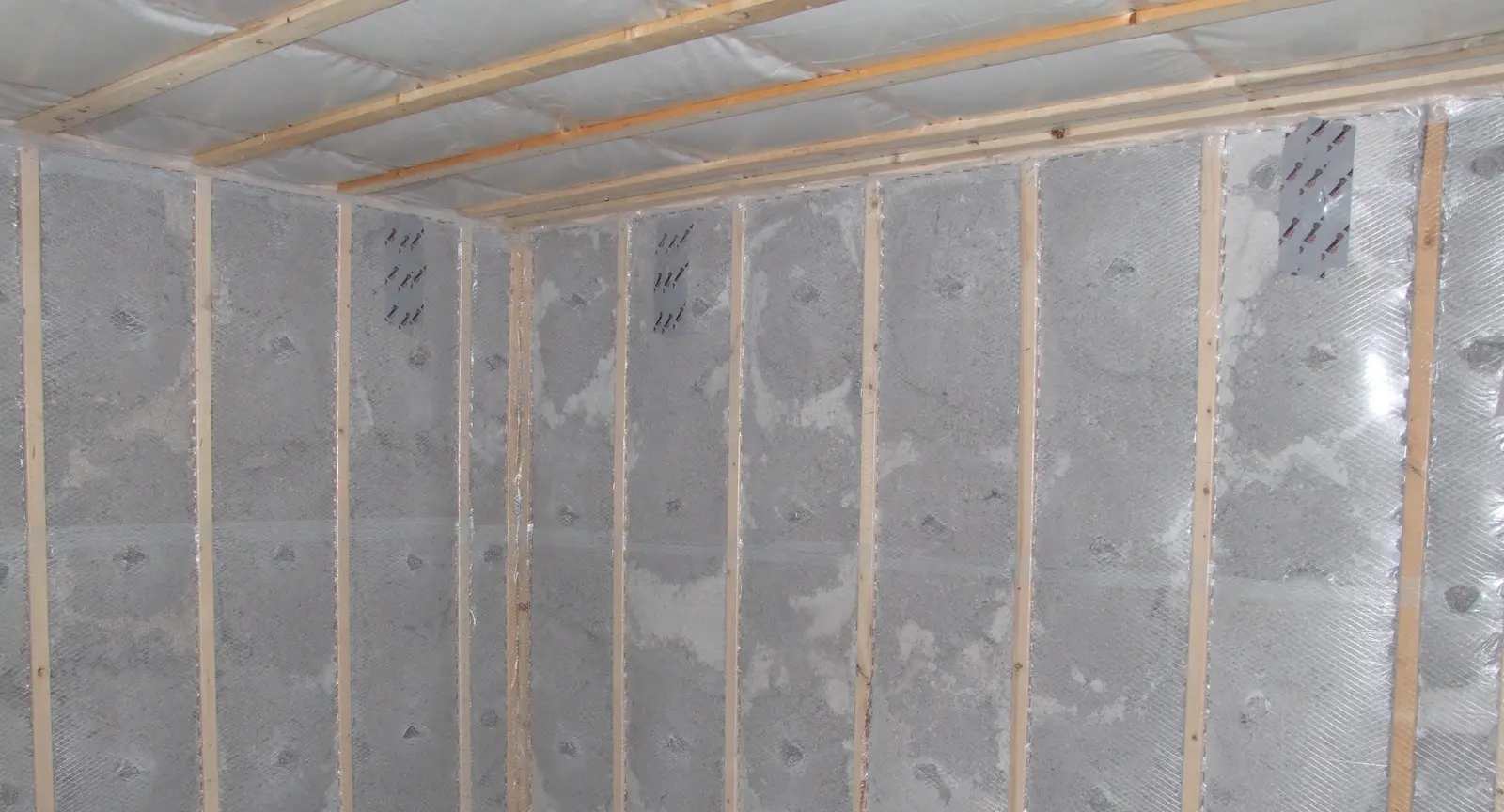
Air Sealing & Vapour Barriers
Air sealing and vapour barrier installation that controls air leakage and moisture movement through insulated walls and ceilings.
Learn more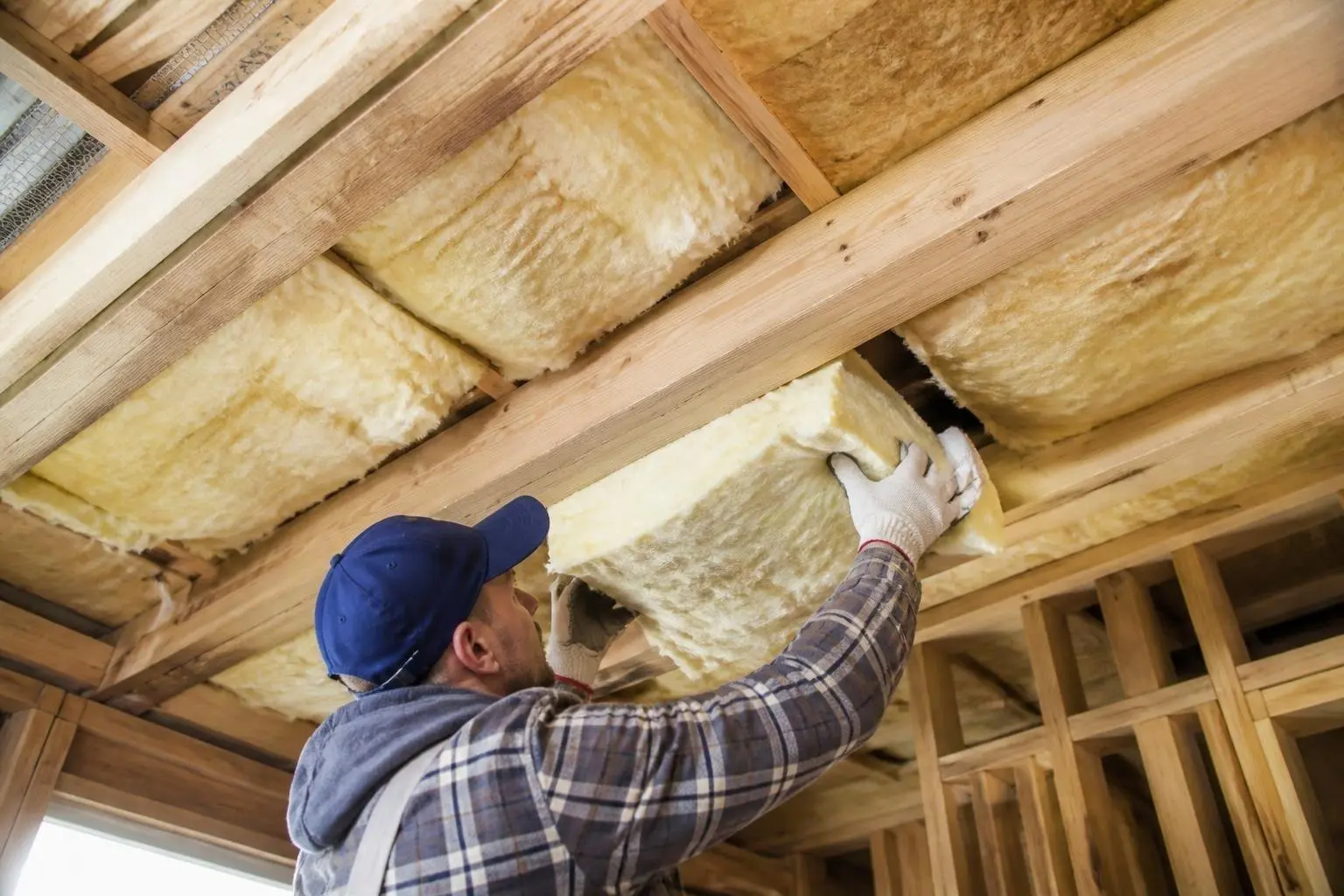
Garage Insulation
Insulation for attached garage walls, garage ceilings, and the floors of rooms built over a garage.
Learn more
Request a Free Quote